Jonathan Trott England Lions Coaching Plans
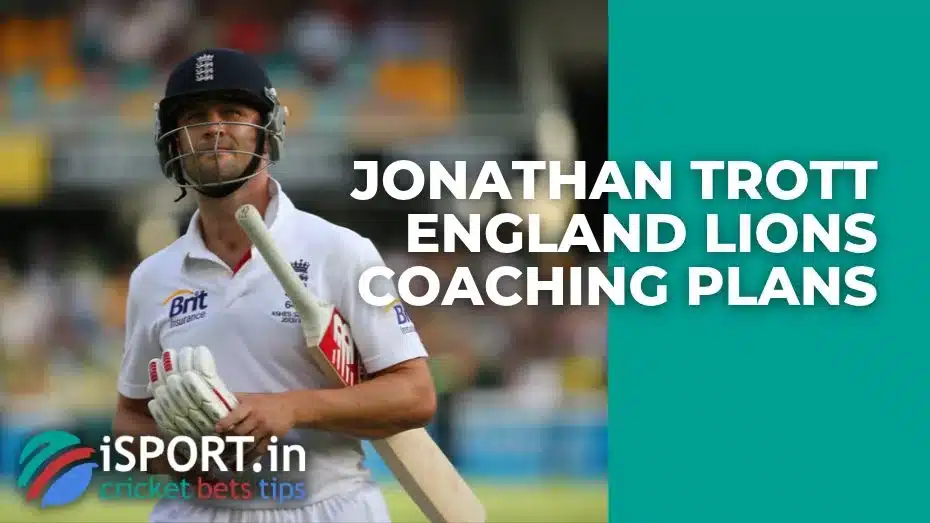
A Competitive Route to the England Team
Jonathan Trott wants the England Lions to develop players through winning while also helping established internationals recover form. His approach raises a practical question: what should a successful development program actually produce?
The discussion around Jonathan Trott England Lions coaching plans goes beyond identifying promising batters or fast bowlers. The greater challenge is preparing cricketers to make sound decisions when conditions, opponents and the scoreboard work against them.
A strong county record can earn a player recognition, but international readiness requires more than an impressive batting average. An opener must judge which deliveries to leave against the new ball. A middle-order batter needs to recognise when a partnership requires consolidation and when the field offers an opportunity to accelerate.
The same distinction applies to bowling. Pace can attract attention, yet a quick bowler also needs control of length, a repeatable action and the ability to sustain pressure across successive spells. Beating the outside edge is encouraging; creating enough pressure to force a mistake is what helps dismiss a batting side.
For the Lions, the sporting challenge is to connect those individual skills with the demands of a team result. A batter protecting a personal milestone may miss an opportunity to advance the game. A bowler chasing wickets without regard for the field can release pressure built at the other end.
That makes role clarity essential. Players should understand whether they are expected to blunt the opening attack, maintain the scoring rate through the middle overs or provide a breakthrough with an attacking spell. Clear responsibilities make performances easier to assess and give players a useful reference point when a match becomes difficult.
Winning can provide evidence of that progress, although the scoreline should never be the only measure. A narrow defeat might expose a correctable weakness in death bowling. A comfortable victory could conceal poor shot selection that stronger opposition would punish.
The Cricketing Tests That Will Define Progress
A useful way to assess the Lions is to examine how players respond when their first plan stops working. Consider a batter who scores freely against seam but becomes tied down by spin. The next step is not simply to attack harder. It may involve changing crease position, using the sweep selectively or finding singles before dot-ball pressure builds.
In limited-overs cricket, those adjustments influence the shape of an innings. Boundary hitting matters, but strike rotation keeps a partnership moving between attacking opportunities. A side that cannot collect singles becomes dependent on high-risk strokes, making a cluster of wickets more likely.
Bowlers face equivalent decisions. A slower ball is only effective if the batter struggles to recognise it or the surface rewards the variation. A yorker requires precision. When execution slips, the captain and bowler must agree on whether to persist, change the angle or protect a different scoring area.
These examples illustrate the practical demands of development cricket rather than a confirmed training schedule. They also explain why raw statistics need context. Figures of two for 45 can represent an excellent spell on a flat pitch, while a fluent half-century may reveal little about a batter’s ability to rebuild from 30 for three.
Fielding deserves similar attention. Catching reliability, fast pickups and accurate returns can preserve pressure even when wickets are scarce. Communication between fielders and the wicketkeeper can prevent the extra run that shifts momentum late in a chase.
The eventual measure of Jonathan Trott England Lions coaching plans should be whether players carry those habits into tougher cricket. England needs replacements who can assess a situation, fulfill a role and adjust without waiting for instructions. Producing that level of judgement would make the Lions a stronger source of international-ready talent.