Virat Kohli Test Retirement
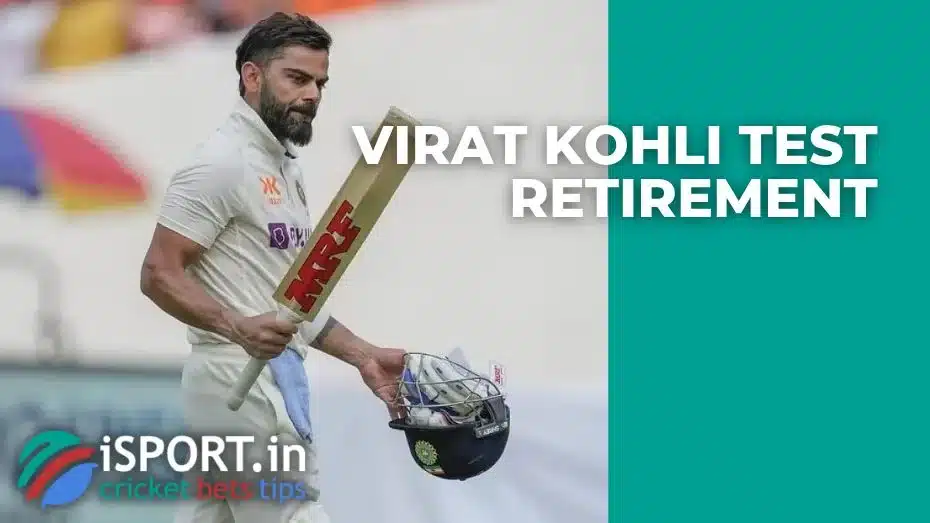
Virat Kohli Test Retirement: Jaffer Raises Questions About India’s Red-Ball Transition
Replacing an established No. 4 in Test cricket involves more than finding another batter to occupy the crease. It means rebuilding a middle order, redistributing responsibility, and deciding who will absorb pressure when the opening spell exposes weaknesses. That sporting challenge provides the backdrop to Wasim Jaffer’s latest comments on Virat Kohli test retirement, which have brought renewed attention to the handling of the former India captain’s departure.
In comments reported on October 12, Jaffer argued that Kohli still had more to offer in the longest format. The former India opener questioned how the situation had been managed while acknowledging that Kohli’s own account would be necessary to understand the circumstances fully.
That distinction matters. Jaffer’s assessment offers an outside perspective; it does not establish what happened in private discussions between the batter, selectors and team management.
Kohli announced his retirement from Tests on May 12, 2025, closing a career of 123 matches, 9,230 runs and 30 centuries. Those figures explain the scale of the vacancy. They cannot, on their own, settle whether continuing would have been the right decision.
A Test side must balance a player’s career record against current form, technical readiness, and the demands of its next assignment. Reputation carries weight, but selection also requires a forward-looking judgement: who is best equipped to score runs under the conditions ahead?
For a middle-order batter, that question extends well beyond strike rate or boundary count. Arriving at 40 for two against a moving ball demands a different innings from walking in at 250 for two on a flat surface. Leaving accurately outside off stump, defending beneath the eyes, and rotating the strike can be as valuable as an attacking cover drive.
The challenge becomes sharper in overseas Tests. Seam movement can punish hard hands, while sustained accuracy forces batters to judge their off-stump repeatedly. A productive partnership may begin with survival against the new ball before expanding as the bowlers tire and the field spreads.
This is where succession planning becomes a practical cricketing issue. A replacement needs more than an opportunity on the team sheet. Consistent batting positions, clearly defined responsibilities, and exposure to demanding first-class spells help a player develop the judgement required at the international level.
Selectors must also avoid treating every dismissal as a verdict. A loose drive, an unplayable delivery and a misjudged single all produce the same result on a scorecard, but they reveal different problems. Assessing a new batter requires attention to the quality of their decisions as well as their aggregate runs.
Jaffer’s intervention leaves two separate questions in play: whether Kohli could have continued contributing, and whether his departure was handled as well as it could have been. Neither can be answered simply by pointing to his reputation or assuming that a younger replacement guarantees progress.
The lasting cricketing significance of Virat Kohli test retirement lies in how India fills the role he left behind. Building a dependable middle order requires technique, patience and partnerships under pressure. The next chapter will be judged through those performances, even as questions about the previous one remain.