Kagiso Rabada Second Test Comeback
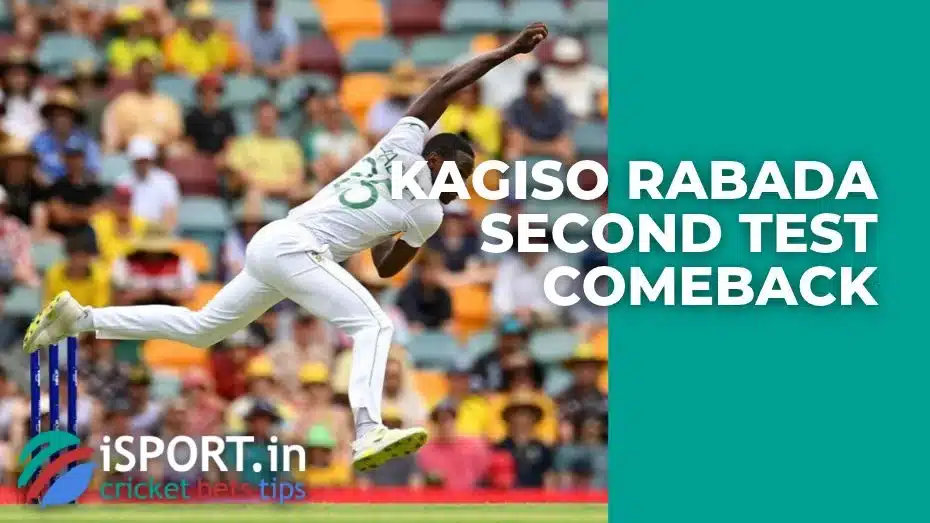
Kagiso Rabada Second Test Comeback: South Africa Seek a Sharper Attack
South Africa head to Gqeberha needing to change the direction of their series against Australia. A 214-run defeat in Durban exposed the challenge facing the hosts, and the second Test, beginning on October 18, offers an immediate opportunity to respond.
Kagiso Rabada could be central to that response. The fast bowler is in contention after missing the opening match while recovering from a hamstring injury. Captain Temba Bavuma has offered encouraging signs about his progress, although a place in the final XI remains unconfirmed.
How Rabada Could Change South Africa’s Bowling Plans
The significance of the Kagiso Rabada second Test comeback goes beyond adding another experienced seamer to the attack. His potential inclusion would give South Africa another option for attacking established partnerships and maintaining pressure when the opening spell fails to produce a breakthrough.
From a tactical perspective, the priority should be to make Australia’s batters commit to their strokes. A consistent off-stump line, supported by a sufficiently full length, can bring the outside edge into play while keeping bowled and lbw dismissals available. Short-pitched deliveries become more threatening when they interrupt that pattern rather than replace it.
That balance matters against a batting order capable of rebuilding after early wickets. Matt Renshaw’s contributions of 190 and 82 from number five were central to Australia’s Durban victory. South Africa must find ways to prevent another middle-order innings from dictating the match.
One possible approach would be to use Rabada in shorter attacking spells, with close catchers retained while conditions offer assistance. Such a plan would require discipline from the bowlers operating at the opposite end: loose deliveries would allow batters to rotate the strike and escape sustained examination.
His return would also demand careful workload management. Readiness for Test cricket involves more than delivering a sharp opening burst; a bowler must recover between spells and maintain control across repeated efforts. South Africa’s selection decision therefore needs to account for the demands of an entire match.

Why South Africa’s Response Must Extend Beyond One Player
The Kagiso Rabada second Test comeback would strengthen South Africa’s options, but a successful response also requires better execution with the bat. Bavuma’s side cannot expect its pace attack to compensate indefinitely for innings that leave too little scoreboard pressure on Australia.
The batting objective should be practical: build partnerships that survive changes of bowler, resist the temptation to chase deliveries outside off stump, and make Australia work for each wicket. Against a disciplined seam attack, rotating the strike can be as important as finding boundaries.
Bavuma has indicated confidence in the core of the side despite the opening defeat. That places the emphasis on how the selected players respond rather than assuming extensive changes will solve the problem.
Fielding and captaincy will also influence whether South Africa can sustain pressure. Catching opportunities must be converted, while bowling changes should serve a clear purpose: attacking a new batter, disrupting a partnership or preserving a seamer for the next spell.
Rabada’s possible inclusion gives the hosts a compelling selection option. Turning that advantage into a series-leveling performance will require coordinated work across all three departments. Gqeberha is an opportunity to rebuild through disciplined sessions, valuable partnerships and sustained wicket-taking pressure.