How cricket became a popular sport in India

It was a long, exciting story, full of drama, triumphs and unique characters that forever changed the face of sport in the country. Today, you’ll learn how cricket became a popular sport in India.
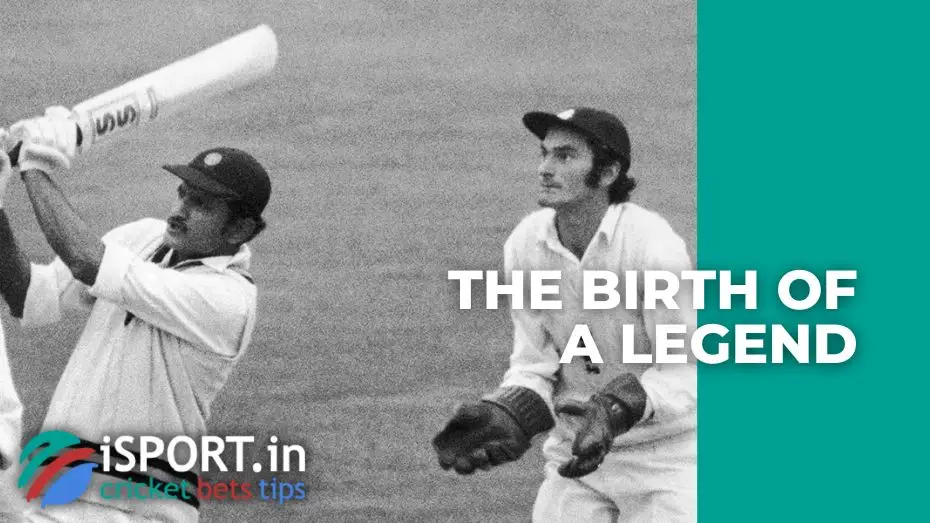
The Birth of a Legend
Before 1971, India, frankly, was more of an underdog than a formidable contender on the world cricket stage. The team dreamed of competing with the best, but victories were rare. Everything changed with the arrival of two key figures: the cool-headed captain Ajit Wadekar and the young phenom Sunil Gavaskar. It was a turning point in how cricket became a popular sport in India. For the first time in history, India defeated the West Indies on their field, and then England on their own soil! These victories were not accidental; they were a declaration of a new status.
What was behind this incredible rise? The golden generation of players whose names are known to every Indian today. The magnificent four spin bowlers – Bedi, Prasana, Chandrashekhar and Venkataraghavan – who literally wove a web around the opponents’ wickets. And paired with them were two young masters: Gavaskar, a true run machine with a breathtaking technique, and graceful Gundappa Viswanath, whose batting was like a work of art. It was a time when the team learned not just to play, but to win with character.
But, of course, nothing comes easy. The ups alternated with painful falls. The 1974 defeat in England, when the team was knocked out for 42 runs, was a low blow. Could anyone have thought that Indian cricket could rise after such a failure? But it did. The team demonstrated incredible resilience. Take, for example, the legendary chase for 406 runs at Port of Spain. It was an act of pure faith and skill, when Gavaskar and Vishwanath, in their amazing batting duo, broke the seemingly invincible West Indies.
How Cricket Became a Popular Sport in India: Championships and a New Era
Then Kapil Dev appeared on the scene. A young, energetic guy from Haryana who brought to the team what it was sorely lacking – a fast attack. His appearance was like a breath of fresh air. After all, aggressive fast bowling has become the norm now, but back then, Indian fielders tried to quickly wipe the shine off the ball so that the spinners could take over. Kapil, however, acted differently; he challenged, forcing opening batsman Sadiq Mohamed to put on his helmet. What a sight it was!
And so the apogee occurred in 1983. The World Cup in England. Who ever took India seriously? Nobody. But Kapil Dev’s team, led by his incredible charisma, turned the entire cricket world upside down. His crushing 175 not out against Zimbabwe and the climactic victory in the final over the formidable West Indies at the legendary Lord’s — that was the moment that literally exploded cricket in India. The game’s popularity skyrocketed, and sponsors lined up.
This victory gave India the courage not only to play, but also to manage. The battle for the right to host the 1987 World Cup, along with Pakistan, against England’s monopoly, was a political and administrative triumph. Cricket has finally become part of the national identity.